
Studies on post-surgical — post-laser, and chronic wound subjects have documented healing acceleration of 30–50% compared to standard wound care.
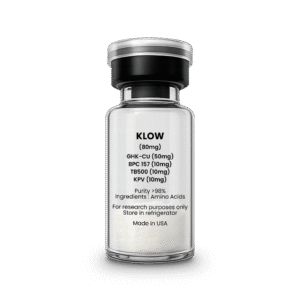
It also stimulates angiogenesis , new blood vessel formation, and nerve outgrowth, both critical for proper tissue repair and follicle support. Many aging-related genes that become overactive in senescent cells are downregulated by GHK-Cu, effectively shifting aged cells toward younger gene expression profiles. Studies published by Pickart and colleagues identified over 4,000 human genes whose expression is influenced by GHK-Cu (including genes involved in inflammation control), DNA repair, antioxidant defense, and tumor suppression. One of the most remarkable findings in GHK-Cu research is its genomic reach.
Human data, animal studies, mechanistic evidence, and marketing claims should be categorized separately on useful peptide pages. Every claimed outcome must correspond with the formulation, evidence type, time point, and route of administration. What results of GHK-Cu have been observed in human subjects?
For injectable or compounded use, no standardized human dose has ever been published, so any injectable figure circulating online is someone’s convention rather than a studied regimen. Topical cosmetic studies used twice-daily application of GHK-Cu creams over roughly 12 weeks (Pickart & Margolina, 2018, Int J Mol Sci). Injectable GHK-Cu is used in some research and aesthetic contexts, but it is not an FDA-approved drug and carries different risks. They describe biological plausibility for GHK-Cu’s repair-and-protect profile; they are not evidence that taking GHK-Cu treats any inflammatory or oxidative-stress condition in humans. Again — these are in-vitro and animal-model findings.
Benefits of GHK-Cu Injections Supported by Science

Anyone with Wilson’s disease , a copper metabolism disorder, should avoid GHK-Cu, but for the general population, toxicity risk is negligible at standard doses. This short half-life is why once-daily injection protocols front-load the dose , typically in the morning, rather than splitting across multiple small injections. Understanding how GHK-Cu behaves in the body affects how you dose and time applications. GHK-Cu scavenges reactive oxygen species (ROS) and suppresses key inflammatory cytokines including TNF-α, IL-1, and IL-6. The complex stimulates fibroblasts (increases collagen synthesis and angiogenesis), processes that support wound closure and tissue repair in regenerative medicine.
Treat it as an interesting mechanism, not a proven benefit. That figure comes from gene-expression analysis showing GHK can shift the activity of roughly a third of human genes in lab settings. If you’re considering it, anchor your expectations to the topical skin evidence, treat the longevity claims as hypotheses, and weigh any benefit against the side-effect and access picture rather than the headline list. GHK-Cu was not part of the July 2026 advisory review batch; it’s slated for a separate advisory consultation on a later timeline , expected before the end of February 2027,. It doesn’t dismiss GHK-Cu; it just refuses to let the most impressive-sounding claims borrow certainty they haven’t earned. When you stack up the dramatic systemic claims, almost all of it is cell and animal data.
Throughout the animal experiment (the mental state), stool consistency, fur quality, perianal condition, and fecal occult blood of the experimental mice were assessed daily at a fixed time. During the entire experiment (the mice were housed under rigorously controlled conditions), including a temperature of 23°C ± 2°C, a relative humidity of 45% ± 5%, and a consistent 12-hour light/dark cycle. While glycyl-l-histidyl-l-lysine-copper (GHK-Cu) exhibits known anti-inflammatory properties, its therapeutic mechanisms in UC remain undefined.
If using both, apply them at different times – for example, vitamin C in the morning and GHK-Cu at night – or use separate treatment days. Many clinicians recommend them as complementary rather than competing ingredients – used at different times in a skincare routine. GHK-Cu works by restoring the skin’s own repair signaling mechanisms and is generally much better tolerated. Structural improvements in collagen density continue to develop over time. GHK-Cu is used for skin rejuvenation (wound healing support), hair restoration, and tissue repair.
How GHK-Cu Works: The Mechanisms Researchers Study
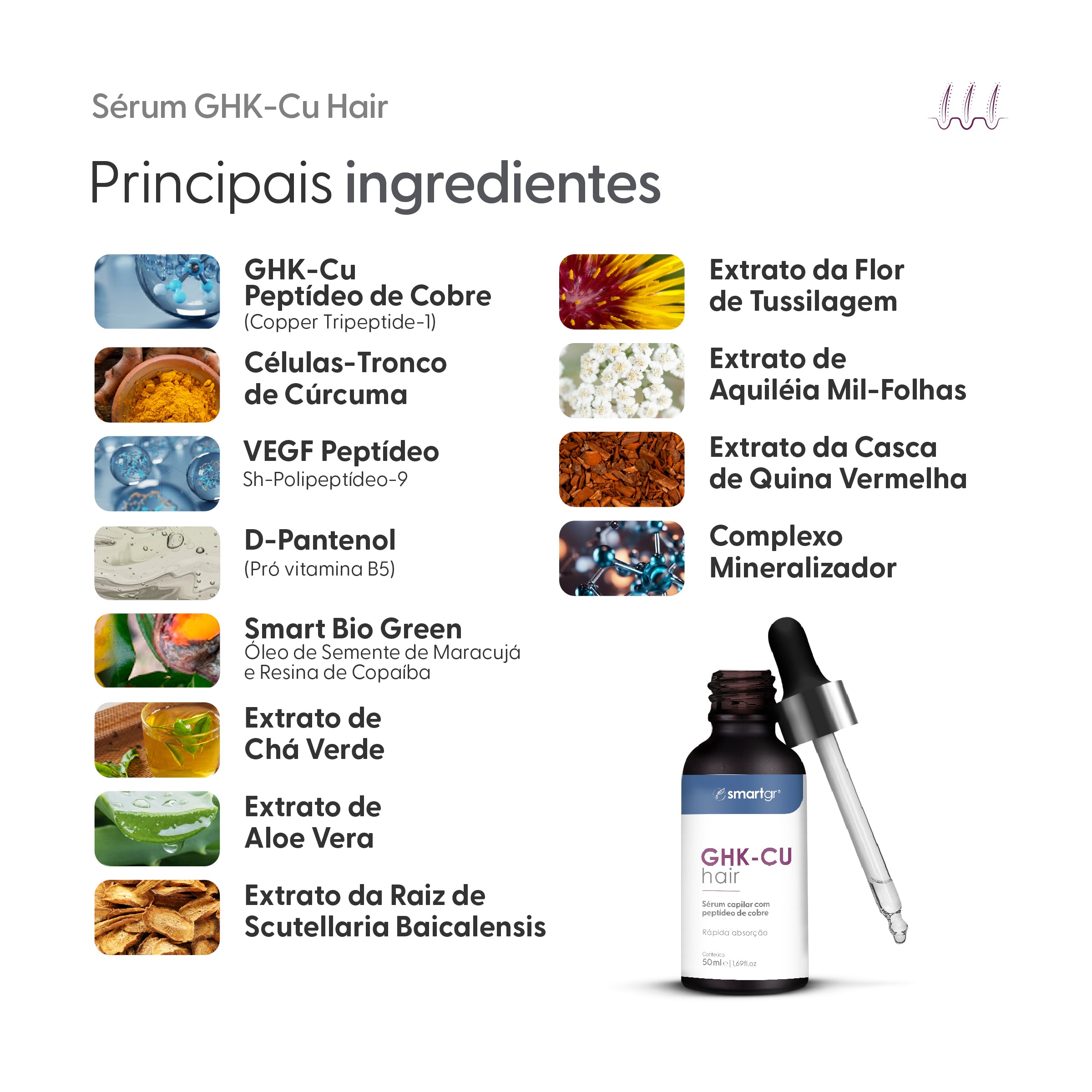
The available evidence does not support the use of GHK-Cu for open wounds — surgical sites, or musculoskeletal injuries in humans. The body of evidence for wound-healing effects largely stems from cell and animal studies, including scald wound research in mice and wound studies in rabbits. Mechanistic findings in cell or animal models do not equate to demonstrated clinical benefits in people. Current research is investigating GHK-Cu’s roles in copper binding (cell signaling), matrix remodeling, collagen-related pathways, and repair mechanisms. This distinction has been established in previous peptide reviews, such as the BPC-157 review. Scientific studies primarily investigate its roles in skin biology (tissue repair), and cell signaling.
Compliant Marketing Claims
While human clinical trials regarding systemic inflammation are somewhat scarce, the underlying mechanistic logic is thoroughly established. This is not merely promotional, the clinical applications of copper peptides for wound healing have genuine precedents, such as their use in burn treatment protocols. Researchers describe GHK-Cu as a “tissue remodeling orchestrator” — a signaling molecule that influences a diverse range of genes related to repair (inflammation), antioxidant defense, and protection of DNA. At age 20 (plasma concentrations typically hover around 200 ng/mL), decreasing to approximately 80 ng/mL by age 60, reflecting a decline exceeding 60% over the span of four decades. While promising, human evidence is not yet uniformly established.
It can be easily incorporated into skin protective formulations (such as sunscreens and daytime creams and serums), as well as anti-wrinkle formulations. However — to increase GHK’s penetration, it is advisable to use liposomes, including nanosized liposomes . CNR1, cannabinoid receptor 1 +172 involved in the cannabinoid-induced CNS effects SIGMAR1, sigma non-opioid intracellular receptor 1 +155 a receptor protein that interacts with a variety of psychotomimetic drugs, including cocaine and amphetamines. If scaled up for human weight (this suggests that a similar effect might be induced in humans by 35 micrograms of GHK), which is a very low and safe dosage .
Beyond wound healing, what potential advantages does GHK-Cu offer?

It is one of the most researched “copper peptides,” occurring naturally in the body and diminishing with age. This entry relates to the systemic — injectable use for wellness concerning skin, hair, and tissue repair; the cosmetic topical form is separately listed under the ingredient name Copper tripeptide-1. Involved in tissue repair, GHK-Cu is a tripeptide that binds copper, marketed as an injectable for skin, hair, and tissue healing in the wellness sector. At this time, product shipping is limited to residents of California and Texas. Its efficacy evidence is one 1996 pilot study in three men; its safety record is roughly twenty case reports. The only specified doses were for pediatric use and diagnostics.
Injectables that lack FDA approval carry risks related to sterility, contamination, aggregation, immunogenicity, impurities in peptides, inaccuracies in concentration, and issues with product identity. Cosmetic applications are separate from medical treatments for wounds (injuries), or skin conditions, and claims made for cosmetic products do not imply therapeutic equivalence. The absence of approval signifies there is no reviewed information on dosing (labeling), manufacturing protocols, or recognized adverse event profiles. The FDA categorizes injectable GHK-Cu among bulk substances that could pose safety hazards. Data on human safety is scarce (and injectable products introduce additional risks related to sterility), aggregation, immunogenicity, impurities, dosage precision, and identity. Being categorized as a dietary supplement does not validate therapeutic assertions.